
.webp)

Root Canal Myths: Pain & Duration
Separate facts from fiction about root canal pain, procedure time, and modern treatment comfort.
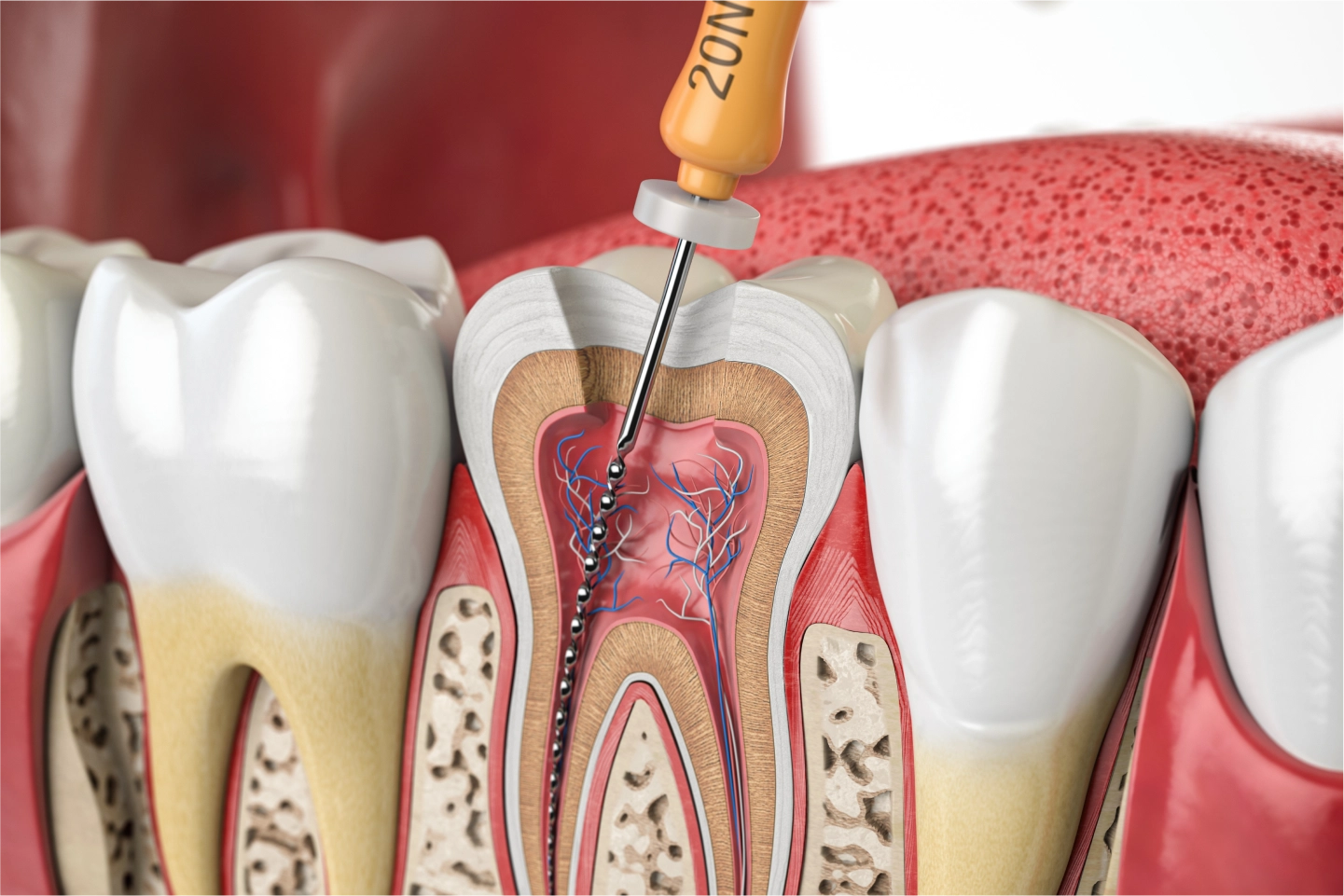
Root canal treatment is one of the most misunderstood dental procedures. Although millions of people undergo successful root canal treatment every year, myths and misconceptions continue to cause fear, hesitation, and unnecessary worry. Many patients arrive at the dental practice convinced that root canals are painful, lengthy, or unlikely to work. In reality, root canal treatment is a highly predictable, comfortable procedure designed to save a tooth and prevent further infection.
At Paulton Dental & Implant Centre, patients benefit from modern techniques, advanced technology, and a gentle approach that make root canal treatment far more straightforward than most people expect. This blog breaks down the most common myths about root canal therapy and explains the truth behind the pain, duration, and success rates of the procedure.
Myth 1: Root Canal Treatment Is Painful
This is the most widespread myth and one that has persisted for decades. Historically, root canal treatment had a reputation for being uncomfortable, but today it is no more painful than having a routine filling.
The truth: Modern root canal treatment is designed to relieve pain, not cause it
When a tooth becomes infected, the inner nerve becomes inflamed or damaged, which is what causes severe toothache. Root canal treatment removes this source of pain and eliminates the infection.
At Paulton Dental & Implant Centre, the process involves:
- Local anaesthetic to ensure the procedure is completely comfortable
- Advanced instruments that minimise treatment time
- Careful cleansing and sealing of the root canals
Most patients describe the procedure as surprisingly smooth, with many remarking that it was far easier than expected.
Post-treatment sensitivity
Some mild tenderness may occur for a few days following treatment, especially if the tooth was severely infected beforehand. This is normal and manageable with over-the-counter pain relief. It is not a sign of something going wrong.
Modern dentistry has made painful root canals a thing of the past. Today, the procedure is one of the most effective ways to stop dental pain quickly and safely.
Myth 2: Root Canal Treatment Takes a Long Time
Many people believe that root canal therapy Paulton requires multiple long appointments. This may have once been the case, but advancements in dental technology have drastically reduced the time required.
The truth: Most root canals can be completed in one or two visits
The number of appointments depends on:
- The complexity of the tooth
- The level of infection
- Whether the tooth has multiple canals
- Whether retreatment is required
Teeth with straightforward anatomy, such as front teeth, are typically completed in a single appointment. Molars have more canals and may require a follow-up visit.
At Paulton Dental & Implant Centre, digital imaging and modern endodontic techniques allow treatments to be more efficient, more accurate, and faster than traditional methods.
Time spent during each appointment
A typical root canal appointment may last between 45 and 90 minutes, depending on:
- The size of the tooth
- The number of canals
- The level of infection or inflammation
This is often comparable to appointments for crowns, fillings, or other restorative treatment.
Myth 3: Root Canal Treatment Is Not Successful
Another common misconception is that root canal therapy has a low success rate. This outdated belief may stem from older treatment techniques or untreated infections before the procedure.
The truth: Root canals have a high success rate when performed properly
Modern root canal treatment has a success rate of over 90 percent. Most treated teeth last many years, and many last a lifetime with proper care.
Success depends on several factors:
- Quality of the treatment
- Extent of the infection
- Timeliness of intervention
- Quality of the final restoration
- Good oral hygiene and regular dental reviews
After the root canal is completed, the tooth is often restored with a crown to protect it from fractures and ensure long-term durability.
At Paulton Dental & Implant Centre, dentists use proven methods and the latest equipment to deliver the highest standard of endodontic care, helping patients preserve natural teeth for as long as possible.
Myth 4: Extraction Is Better Than a Root Canal
Because root canals are often misunderstood, some people assume it is easier to remove the tooth instead. While extraction is occasionally necessary, saving natural teeth whenever possible is always the preferred option.
The truth: Saving your natural tooth is almost always the better choice
Keeping your natural tooth helps maintain:
- Proper chewing function
- Jawbone integrity
- Natural appearance
- Healthy alignment of surrounding teeth
Tooth loss can lead to shifting, bone loss, and the need for more extensive restorative work, such as implants or bridges. In many cases, root canal treatment is the simplest and most cost-effective way to preserve the tooth.
Myth 5: Root Canal Treatment Causes Illness
This myth originated from studies conducted over a century ago, which have since been proven inaccurate and scientifically invalid.
The truth: Root canal treatment does not cause systemic illness
Modern research and decades of clinical evidence show that root canal treatment is safe. When an infection inside the tooth is removed and the canal is sealed, bacteria cannot spread. Root canal therapy actually prevents infection from moving beyond the tooth.
The British Dental Association and global health authorities confirm that root canal treatment poses no risk of systemic disease.
Myth 6: The Tooth Does Not Need a Crown After a Root Canal
Many patients believe that once the infection is removed, no further restoration is needed. This is not always the case.
The truth: Most back teeth do require a crown after treatment
Root canal treatment can weaken the tooth structure. Back teeth, which bear the most chewing pressure, benefit from the added protection of a dental crown.
A crown:
- Strengthens the tooth
- Prevents fractures
- Restores full function
- Enhances appearance
Your dentist will advise whether a crown is necessary depending on the tooth’s condition.
Understanding What Really Happens During a Root Canal
Root canal treatment involves several precise steps undertaken to eliminate infection and preserve the natural tooth.
Step 1: Local anaesthetic
The area is fully numbed to ensure complete comfort.
Step 2: Removing the infected tissue
The dentist accesses the tooth and removes the damaged pulp so that bacteria are eliminated.
Step 3: Cleaning and disinfecting the canals
The internal canals are shaped and cleaned using specialised instruments.
Step 4: Sealing the canals
A biocompatible material is placed inside to prevent reinfection.
Step 5: Restoring the tooth
A filling or crown is added to protect the tooth and restore strength.
The procedure is straightforward when performed with modern techniques, and patients often feel immediate relief once the source of infection is removed.
Conclusion
Root canal myths can cause unnecessary fear and delay treatment, which may worsen an infection. The truth is that root canal treatment is a safe, comfortable, and highly successful procedure that preserves natural teeth and prevents further dental problems. Modern techniques ensure minimal discomfort, efficient appointments, and long-lasting results.
If you are experiencing toothache, sensitivity, or signs of infection, seeking early treatment can make root canal therapy simpler and more predictable.
If you have concerns about root canal treatment or believe you may need one, the experienced team at Paulton Dental & Implant Centre is here to help. They provide gentle, comprehensive care using advanced techniques to ensure comfort and long-term success.
Visit www.paultondental.co.uk to book your consultation and learn how root canal treatment can save your natural tooth and restore your oral health.
Get in Touch
Let’s Create the Smile You Deserve.
Book your smile consultation today and take the first step towards a confident, healthy smile.