
.webp)

Can You Get Implants After Having Dentures for Years?
Have you worn dentures for years? Discover whether dental implants are still an option. Expert implant advice from Paulton Dental & Implant Centre.
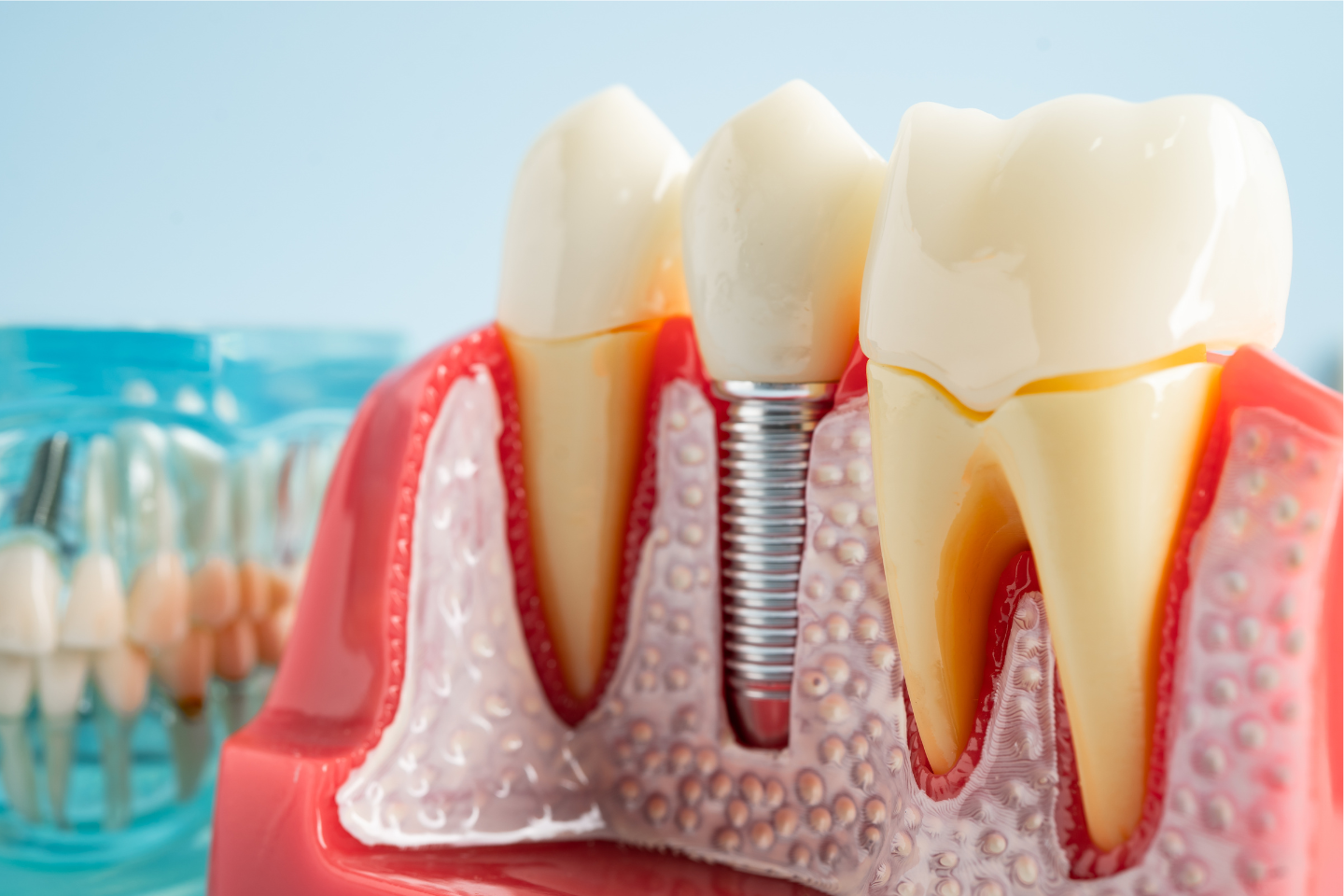
Many people who have worn dentures for a long time believe they have missed their chance to switch to dental implants. A common question we hear is: “Can you get dental implants after having dentures for years?”
The reassuring answer is yes—many denture wearers are still excellent candidates for dental implants, even after years or decades of wearing removable dentures. Advances in modern implant dentistry mean that long-term denture use does not automatically rule out implant treatment.
At Paulton Dental & Implant Centre, we regularly help patients from Paulton, Bath, Radstock, and surrounding areas transition from dentures to secure, long-lasting dental implants. This guide explains how it works, what factors are considered, and what options may be available to you.
Why People Consider Implants After Years of Dentures
Dentures can restore appearance and basic function, but over time many wearers experience challenges such as:
- Dentures slipping or loosening
- Difficulty chewing certain foods
- Gum soreness or irritation
- Reduced confidence when speaking or smiling
- Ongoing bone shrinkage in the jaw
Dental implants offer a more stable and natural-feeling solution, which is why many long-term denture wearers explore implant options later in life.
How Dentures Affect the Jawbone Over Time
One of the main concerns for patients who have worn dentures for years is jawbone loss.
When natural teeth are lost, the jawbone no longer receives stimulation from chewing forces. Over time, this can lead to:
- Bone shrinkage (bone resorption)
- Changes in facial shape
- Poor denture fit
- Reduced support for future restorations
While bone loss is common among denture wearers, it does not automatically prevent implant placement.
Can You Still Get Implants After Bone Loss?
Yes, many patients with bone loss can still receive dental implants. During your consultation, your dentist will assess:
- Bone volume and density
- Gum health
- Overall oral health
- Medical history
If bone levels are insufficient, advanced solutions are often available, including bone grafting or alternative implant techniques.
Bone Grafting: Making Implants Possible
Bone grafting is a procedure used to rebuild or strengthen the jawbone so it can support dental implants.
What Bone Grafting Can Do:
- Restore lost bone volume
- Create a stable foundation for implants
- Improve long-term implant success
Bone grafting may sound daunting, but it is a well-established procedure and often allows long-term denture wearers to become implant candidates.
Implant Options for Long-Term Denture Wearers
Not all implant treatments require a full set of implants for every missing tooth. Several options are suitable for patients who have worn dentures for years.
Implant-Supported Dentures
Implant-supported dentures use a small number of implants to anchor a denture securely in place.
Benefits include:
- Improved stability and comfort
- Reduced movement while eating or speaking
- Better chewing efficiency
- Less gum irritation
This option is popular with patients who want greater security without replacing every tooth individually.
All-on-4 or Full-Arch Implants
For patients seeking a fixed, non-removable solution, full-arch dental implants may be recommended.
This approach:
- Uses four or more strategically placed implants
- Supports a full arch of teeth
- Often avoids the need for extensive bone grafting
- Provides a permanent, natural-feeling smile
Many long-term denture wearers are surprised to learn they qualify for this advanced treatment.
Replacing Dentures with Individual Implants
In some cases, individual implants may be placed to replace specific missing teeth, depending on bone availability and patient goals.
Your dentist will help determine which option best suits your oral health and lifestyle.
What Factors Affect Eligibility for Implants?
Even after years of wearing dentures, many patients remain good candidates for dental implants. Key factors include:
1. Gum Health
Healthy gums are essential for implant success. Any gum disease must be treated before implant placement.
2. Bone Quality
Bone density and volume are assessed using digital imaging. Bone grafting may be recommended if needed.
3. General Health
Conditions such as diabetes or osteoporosis do not automatically exclude implants but may require careful planning.
4. Smoking
Smoking can affect healing and implant success. Quitting or reducing smoking significantly improves outcomes.
What Is the Process Like?
Transitioning from dentures to implants involves several stages:
- Comprehensive consultation and scans
- Treatment planning and discussion of options
- Bone grafting (if required)
- Implant placement
- Healing and integration
- Final restoration (implant-supported teeth)
Although the process takes time, the long-term benefits often outweigh the initial commitment.
Benefits of Switching from Dentures to Implants
Patients who move from dentures to implants often report life-changing improvements, including:
- Stronger, more confident chewing
- Clearer speech
- Improved comfort
- No slipping or clicking
- Better jawbone preservation
- Enhanced self-confidence
Implants function more like natural teeth, making everyday activities easier and more enjoyable.
Is There an Age Limit for Dental Implants?
There is no upper age limit for dental implants. As long as you are in reasonable health, age alone does not prevent implant treatment.
Many patients in their 60s, 70s, and beyond successfully receive dental implants after wearing dentures for many years.
Are Implants Worth It After Years of Dentures?
While dental implants are an investment, they often provide:
- Long-term stability
- Reduced maintenance compared to dentures
- Improved quality of life
- Long-lasting results
For many patients, implants are a worthwhile upgrade after years of coping with loose or uncomfortable dentures.
Why Choose Paulton Dental & Implant Centre?
Patients considering dental implants after dentures in Paulton choose Paulton Dental & Implant Centre for:
- Experience with complex implant cases
- Advanced diagnostic and planning technology
- Tailored solutions for denture wearers
- Emphasis on comfort and long-term success
- Clear guidance throughout the process
We believe it’s never too late to explore better tooth replacement options.
Can You Get Implants After Having Dentures for Years? The Answer Is Yes.
If you have worn dentures for years and assumed implants were no longer an option, modern dentistry may surprise you. With today’s techniques, many patients can successfully transition from dentures to secure, long-lasting dental implants.
To find out whether you are a candidate, book a consultation with Paulton Dental & Implant Centre. Our experienced team will assess your oral health, discuss your goals, and help you explore implant options designed to restore comfort, confidence, and function—no matter how long you’ve had dentures.
Get in Touch
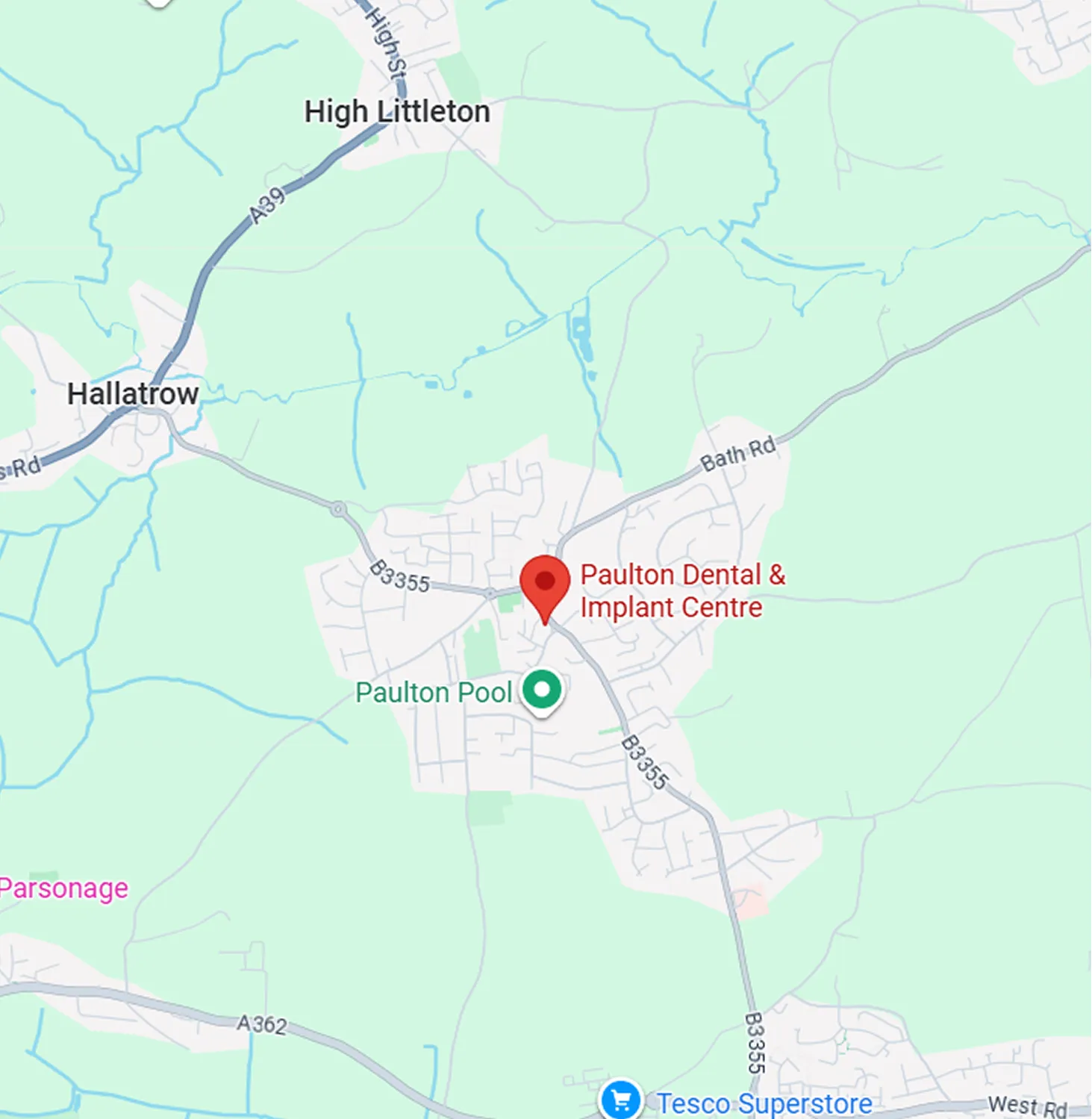
Let’s Create the Smile You Deserve.
Book your smile consultation today and take the first step towards a confident, healthy smile.