
.webp)

Emergency Dental Care: NHS vs Private – Where Should You Go?
Compare NHS and private emergency dental care, including costs, wait times, and treatment options to choose the right care during dental emergencies.
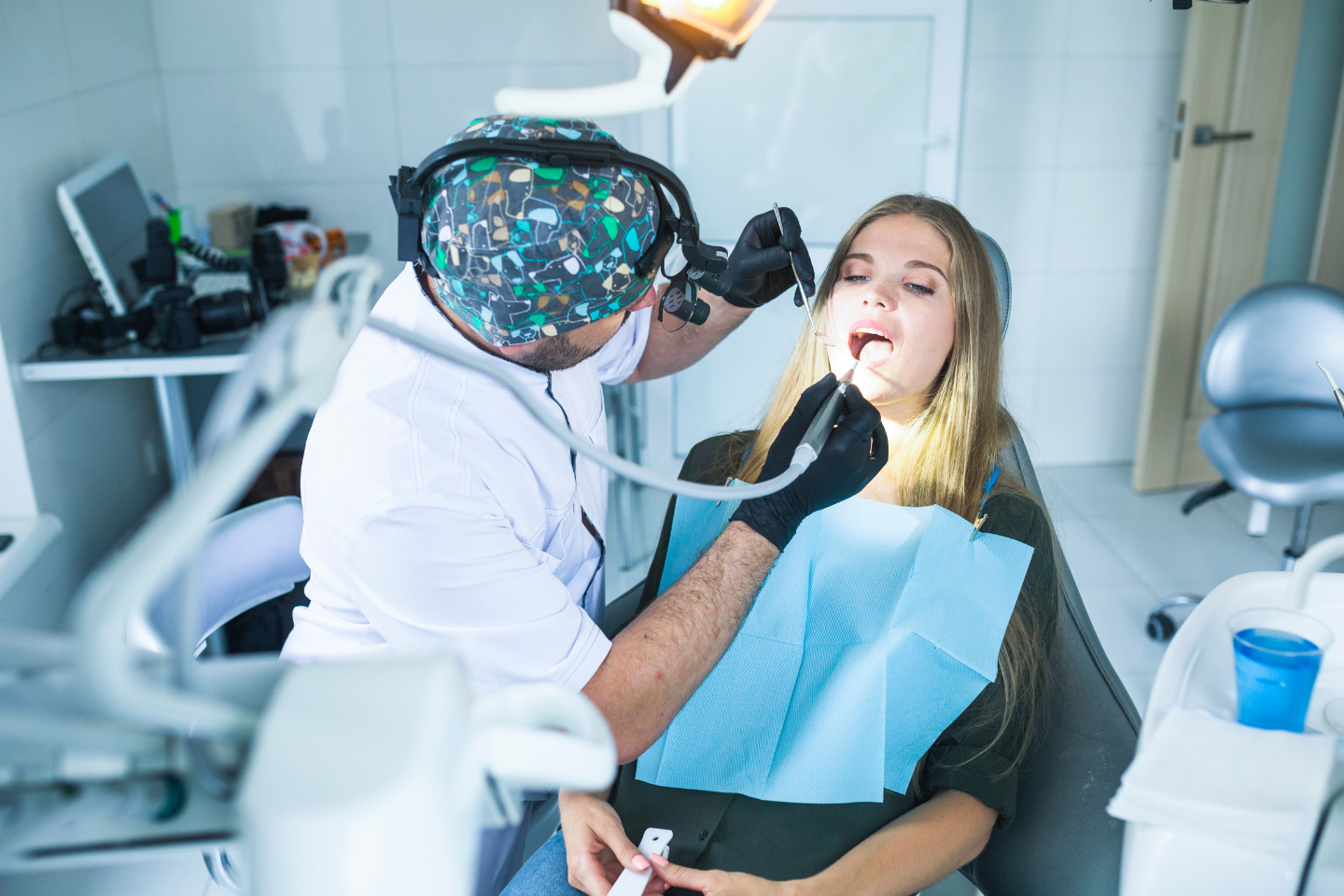
Few things in life are as disruptive as a sudden dental emergency. Whether it is a throbbing toothache that keeps you awake at three in the morning, a lost crown before a big event, or a sports injury that has resulted in a chipped tooth, the physical pain is often accompanied by a fair amount of stress. When the panic sets in, the first question most people ask is: where should I go?
In the UK, you generally have two main routes for urgent treatment: the NHS or a private practice. Both have their merits, but the experience, cost, and speed of care can vary significantly. At Paulton Dental & Implant Centre, we understand that when you are in pain, you want clear answers and fast relief. This guide explores the differences between NHS and private emergency care to help you make an informed decision when every minute counts.
What Constitutes a Dental Emergency?
Before deciding where to go, it is helpful to identify the severity of the situation. Not every dental "niggle" requires an immediate trip to the surgery, but some symptoms definitely should not be ignored.
True Emergencies
A true emergency usually involves dental trauma, uncontrollable bleeding, or swelling that might affect your breathing or swallowing. In these extreme cases, the advice is often to head straight to your local Accident & Emergency (A&E) department.
Urgent Dental Concerns
Most situations fall into the "urgent" category. This includes severe toothache that does not respond to over the counter painkillers, a knocked-out tooth, a dental abscess, or a large fracture that has left the nerve exposed. For these issues, you need an Emergency Dentist in Paulton to assess the damage and provide stabilising treatment.
The NHS Route for Emergency Care
The NHS provides a vital service for urgent dental issues, focusing on pain relief and preventing the situation from worsening.
How it Works
If you have a regular NHS dentist, your first step is to call them. They usually have a small number of urgent slots set aside each day. If you do not have a regular dentist or the emergency happens out of hours, the standard procedure is to call NHS 111. They will triage your symptoms and, if necessary, refer you to an out of hours dental clinic.
The Cost of NHS Emergency Treatment
NHS emergency care is charged at a flat rate (the Band 1 urgent fee). This covers a clinical assessment, any necessary X-rays, and the immediate treatment needed to manage the pain or stabilise the tooth. It is important to note that this is a temporary fix. For example, if you have a broken tooth, the NHS emergency fee might cover a temporary filling, but you would need to book a follow-up appointment for a permanent crown.
The Challenges of the NHS Route
The main hurdle with the NHS is accessibility. Because the system is under immense pressure, the 111 triage process can be time-consuming, and you may be directed to a clinic that is quite a distance from your home. Furthermore, the focus is strictly on health and function, meaning cosmetic considerations are not the priority during an emergency visit.
The Private Route for Emergency Care
Private dental practices, like Paulton Dental & Implant Centre, offer an alternative that many find more convenient and comprehensive during a crisis.
Speed and Accessibility
One of the primary reasons patients choose private emergency care is the speed of service. Most private practices prioritise emergency cases and aim to see patients on the same day they call. You often do not need to be a registered patient to access this help. If you search for an Emergency Dentist in Paulton, you will likely find that private clinics can offer more immediate appointment times without the need for a lengthy 111 triage process.
Comprehensive Treatment
Unlike the NHS, which focuses on "stabilisation," a private dentist can often provide a more permanent solution in a single visit if time and clinical conditions allow. For example, rather than just placing a temporary patch on a chipped front tooth, a private dentist can use high quality composite bonding to restore the tooth’s appearance right then and there.
Technology and Comfort
Private practices often invest heavily in modern technology, such as digital X-rays and 3D imaging, which can make the diagnostic process faster and more accurate. Furthermore, for those who are particularly nervous about dental work, private clinics often have more time to spend on patient comfort, offering a calmer and less rushed environment.
Comparing the Costs
It is no secret that private care is more expensive than the NHS urgent fee. However, many patients feel the extra cost is a fair trade for the convenience and the quality of the materials used.
- NHS: You pay a fixed fee for urgent care, but you may need a second, separate appointment (and fee) for the permanent restoration.
- Private: You pay an emergency consultation fee plus the cost of the specific treatment required. Most private practices are very transparent about their fees and will provide an estimate before they begin any work.
What to Do While You Wait for an Appointment
Regardless of which route you choose, there are steps you can take to manage the situation while you wait to see the dentist.
Dealing with Toothache
Rinse your mouth with warm salt water to help clear any debris and reduce bacteria. You can use over the counter pain relief, but avoid placing aspirin directly against the gums, as this can cause a chemical burn.
Managing a Knocked-Out Tooth
If a permanent tooth is knocked out, time is of the essence. Handle the tooth by the crown (the white part), not the root. If it is clean, try to gently place it back into the socket. If that is not possible, keep it in a small container of milk or tucked inside your cheek. Getting to an Emergency Dentist in Paulton within 30 to 60 minutes gives the tooth the best chance of being saved.
Broken Brackets or Wires
If a wire from a brace is poking into your cheek, try to gently push it back with the eraser end of a pencil or cover the sharp end with a bit of orthodontic wax or even sugar-free chewing gum until you can get professional help.
Long-Term Solutions After an Emergency
An emergency visit is often just the beginning of a journey back to full dental health. Once the immediate pain is gone, it is important to look at why the emergency happened and how to prevent it from recurring.
For instance, if a tooth was lost due to decay or injury, you might want to explore more permanent tooth replacement options. While the NHS might provide a removable denture, many people prefer the stability and natural feel of dental implants. At Paulton Dental & Implant Centre, we can discuss how these modern solutions can restore your smile and your confidence for the long term.
Frequently Asked Questions
Q: Will a hospital A&E department fix my toothache?
A: Generally, no. A&E departments are equipped to deal with life-threatening emergencies, such as facial fractures or severe swelling that obstructs the airway. They do not have dentists on site to perform fillings or root canals. They may provide basic pain relief and advise you to see a dentist.
Q: Can I see a private dentist for an emergency if I am an NHS patient?
A: Absolutely. Many people who usually receive NHS care choose to go private for emergencies because they can be seen much faster. This does not affect your status with your regular NHS dentist.
Q: How do I find an Emergency Dentist in Paulton on a weekend?
A: Most local practices have an out of hours message on their answering machine that provides instructions or an emergency number. Searching online for local private clinics is often the quickest way to find a practice with weekend availability.
Q: Is an abscess a dental emergency?
A: Yes. An abscess is an infection that can spread to other parts of the body if left untreated. If you have a fever, facial swelling, or a persistent, throbbing pain, you should seek dental help immediately.
Q: Will my dental insurance cover private emergency fees?
A: Most dental insurance policies, including many employer-provided schemes, cover emergency assessments and a portion of the treatment costs, even if you go to a private practice. It is always worth checking your policy details.
Choosing the Right Path for Your Smile
At the end of the day, the right choice depends on your priorities. If cost is the primary concern and you have the patience to navigate the 111 system, the NHS is a reliable option. However, if you are looking for rapid relief, a permanent fix, and a more personalised experience, the private route is often the way to go.
At Paulton Dental & Implant Centre, we pride ourselves on being a supportive and welcoming environment, especially when our patients are feeling vulnerable. We know that a dental emergency can be frightening, and our team is dedicated to providing the gentle, efficient care you need to get back on your feet.
We Are Here When You Need Us Most
If you find yourself in pain or have had an accident involving your teeth, don't wait and hope it gets better. Whether you are a regular patient or have never stepped foot in our surgery before, we are here to help.
As a leading provider of comprehensive care, including restorative work and dental implants, we can manage your needs from the initial crisis through to a full, beautiful restoration. If you need an Emergency Dentist in Paulton, please give us a call right away. We will do our very best to see you the same day and provide the relief you deserve. Your health and comfort are our top priorities.
Get in Touch
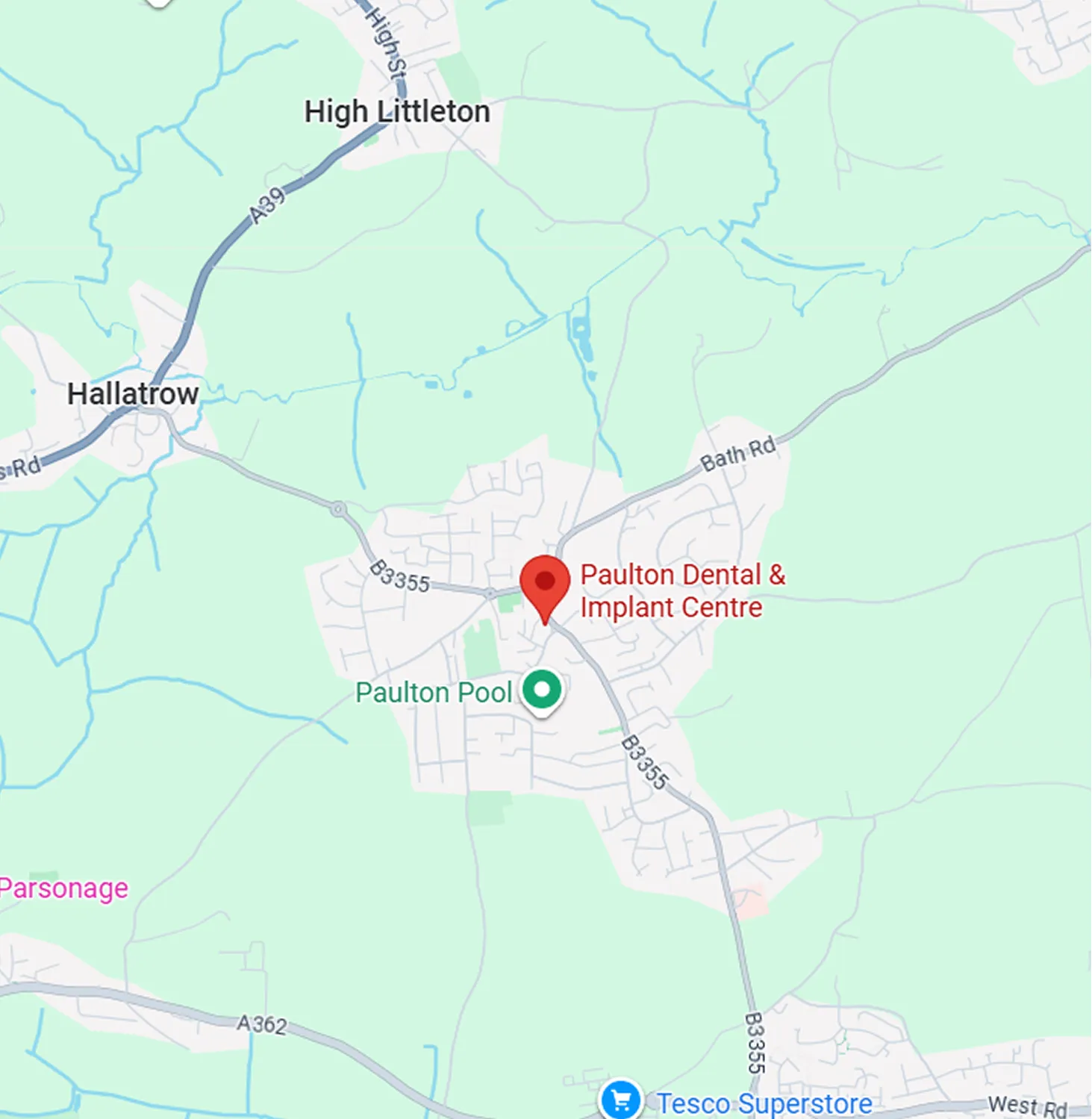
Let’s Create the Smile You Deserve.
Book your smile consultation today and take the first step towards a confident, healthy smile.