
.webp)

How Dental Implants Work for Tooth Replacement (Complete Guide)
Learn how dental implants work as a tooth replacement. Discover the process, benefits, and long-term results at Paulton Dental & Implant Centre.
Losing a tooth can affect far more than just your appearance. It can impact how you chew, speak, and feel about your smile. Fortunately, modern dentistry offers one of the most advanced and long-lasting solutions: dental implants.
Many patients ask, “How does a dental implant actually work as a tooth replacement?”
At Paulton Dental & Implant Centre, we help patients across Paulton, Bath, and Radstock restore their smiles with clinically proven implant treatments. In this guide, you’ll learn exactly how dental implants work, their benefits, and why they are considered the gold standard for replacing missing teeth.
If your tooth has been knocked out or damaged suddenly, you may need immediate care from an emergency dentist before considering long-term solutions like implants.
What Is a Dental Implant?
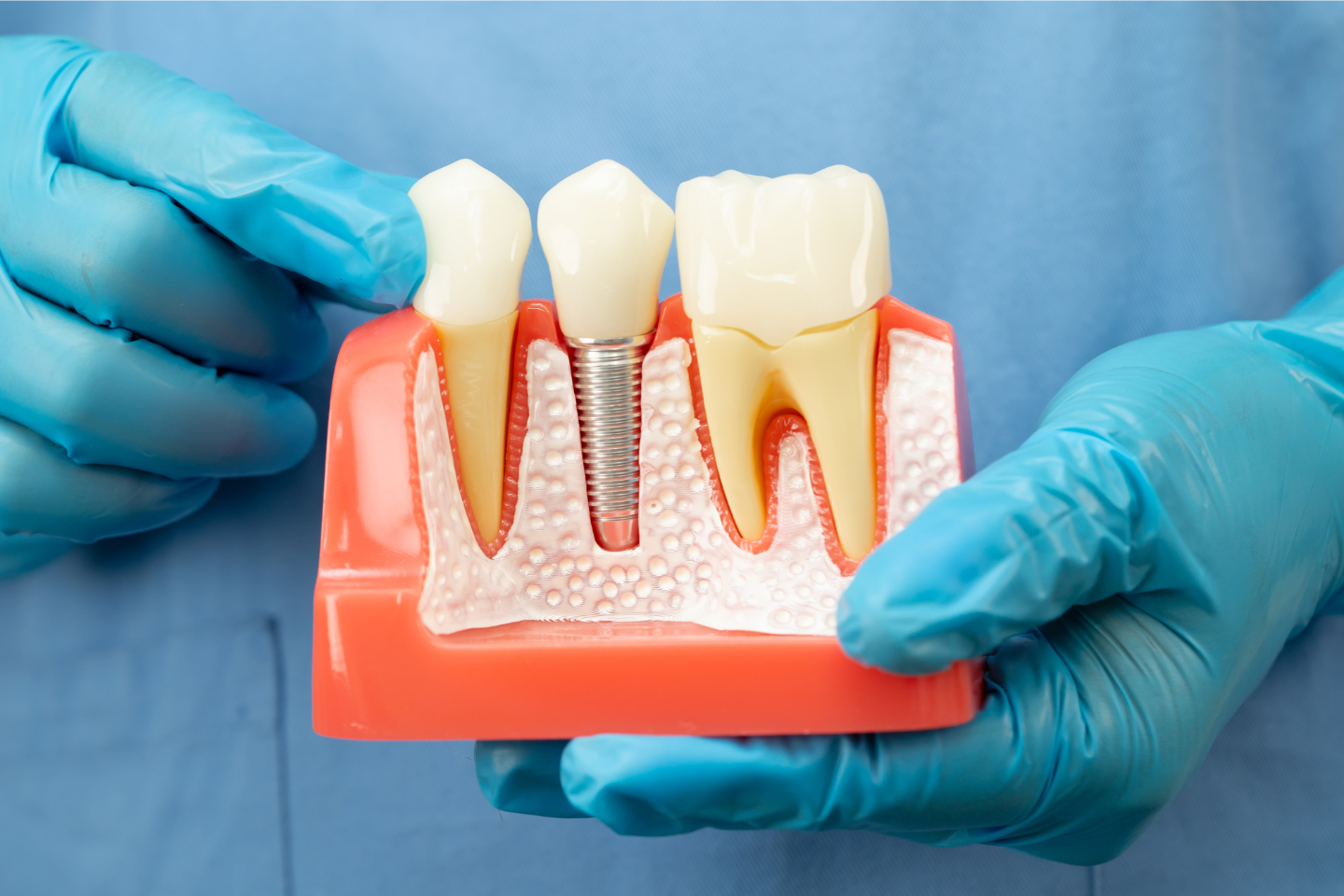
A dental implant is a permanent tooth replacement designed to replicate the structure and function of a natural tooth. Unlike dentures or bridges, implants are placed directly into the jawbone, providing superior stability and longevity.
A dental implant consists of:
- Implant post – a titanium screw placed into the jawbone
- Abutment – a connector that supports the crown
- Crown – the visible, natural-looking tooth
Together, these components function like a real tooth in both appearance and performance.
How Do Dental Implants Work?
Dental implants are unique because they replace both the tooth and its root, making them the most complete tooth replacement option.
Step 1 – Implant Placement
The titanium implant is surgically placed into the jawbone. Titanium is biocompatible, allowing it to integrate safely with the body.
Step 2 – Osseointegration (Key Process)
Over time, the implant bonds with the jawbone in a process called osseointegration.
During this phase:
- The bone fuses with the implant
- The implant becomes stable and secure
- Bite forces are evenly distributed
- Bone loss is prevented
This is what makes dental implants feel and function like natural teeth.
Step 3 – Abutment Placement
Once healing is complete, an abutment is attached. This connector holds the crown securely above the gum line.
Step 4 – Crown Placement
A custom-made crown is fitted to restore:
- Chewing ability
- Speech clarity
- Natural appearance
Once complete, the implant works just like a real tooth.
Why Dental Implants Feel Like Natural Teeth
Dental implants are widely regarded as the most natural tooth replacement because they:
- Are fixed in place (not removable)
- Stimulate the jawbone like natural roots
- Provide strong biting force
- Do not rely on neighbouring teeth
Many patients forget which tooth is the implant after treatment.
Dental Implants vs Bridges vs Dentures
Dental Bridges
- Supported by adjacent teeth
- Require enamel removal
- Do not prevent bone loss
Dentures
- Sit on the gums
- Can move or slip
- May cause discomfort
Dental Implants
- Replace both root and crown
- Prevent bone deterioration
- Stay firmly fixed
- Preserve surrounding teeth
This makes implants the most durable and long-term solution.
Can Dental Implants Replace Multiple Teeth?
Yes, dental implants are highly versatile.
Single Tooth Replacement
One implant supports one crown without affecting nearby teeth.
Multiple Teeth
Implants can support bridges or implant-retained dentures.
Full Mouth Implants
Full arches can be restored using 4–6 implants (e.g., All-on-4).
Who Is Suitable for Dental Implants?
You may be a good candidate if you:
- Have one or more missing teeth
- Have healthy gums
- Have sufficient jawbone (or are suitable for grafting)
- Want a long-term solution
A consultation is required to determine suitability.
How Long Do Dental Implants Last?
With proper care, dental implants can last 20+ years or even a lifetime.
Their longevity depends on:
- Oral hygiene
- Lifestyle habits (e.g., smoking)
- Regular dental check-ups
Caring for Dental Implants
To maintain your implant:
- Brush twice daily
- Floss around the implant
- Attend regular dental visits
- Avoid smoking
- Use a night guard if needed
Good care ensures long-term success.
Why Choose Paulton Dental & Implant Centre?
Patients in Paulton, Bath, and Radstock trust us because we offer:
- Experienced implant dentists
- Advanced digital planning
- Personalised treatment plans
- Comfortable, patient-focused care
- Long-term support and follow-up
FAQs About Dental Implants
Q. Are dental implants painful?
A. The procedure is carried out under local anaesthetic, so discomfort is minimal. Most patients report mild soreness after treatment.
Q. How long does the dental implant process take?
A. Typically 3–6 months, depending on healing time and complexity.
Q. What is the success rate of dental implants?
A. Dental implants have a success rate of over 95% when placed by experienced clinicians.
Q. Can smokers get dental implants?
A. Yes, but smoking can increase the risk of complications and affect healing.
Q. Are dental implants better than dentures?
A. In most cases, yes—implants are more stable, comfortable, and long-lasting.
Final Thoughts
Dental implants work by replacing both the root and crown of a missing tooth, creating a stable, durable, and natural-looking solution. Through osseointegration, they become part of your jaw, allowing you to eat, speak, and smile with confidence.
If you're considering dental implants in Paulton, book a consultation with our team today to find the best solution for your smile.
Get in Touch
Let’s Create the Smile You Deserve.
Book your smile consultation today and take the first step towards a confident, healthy smile.