
.webp)

Composite Bonding vs Veneers for Chipped or Gappy Teeth
Compare composite bonding and veneers to choose the best solution for chips and gaps.
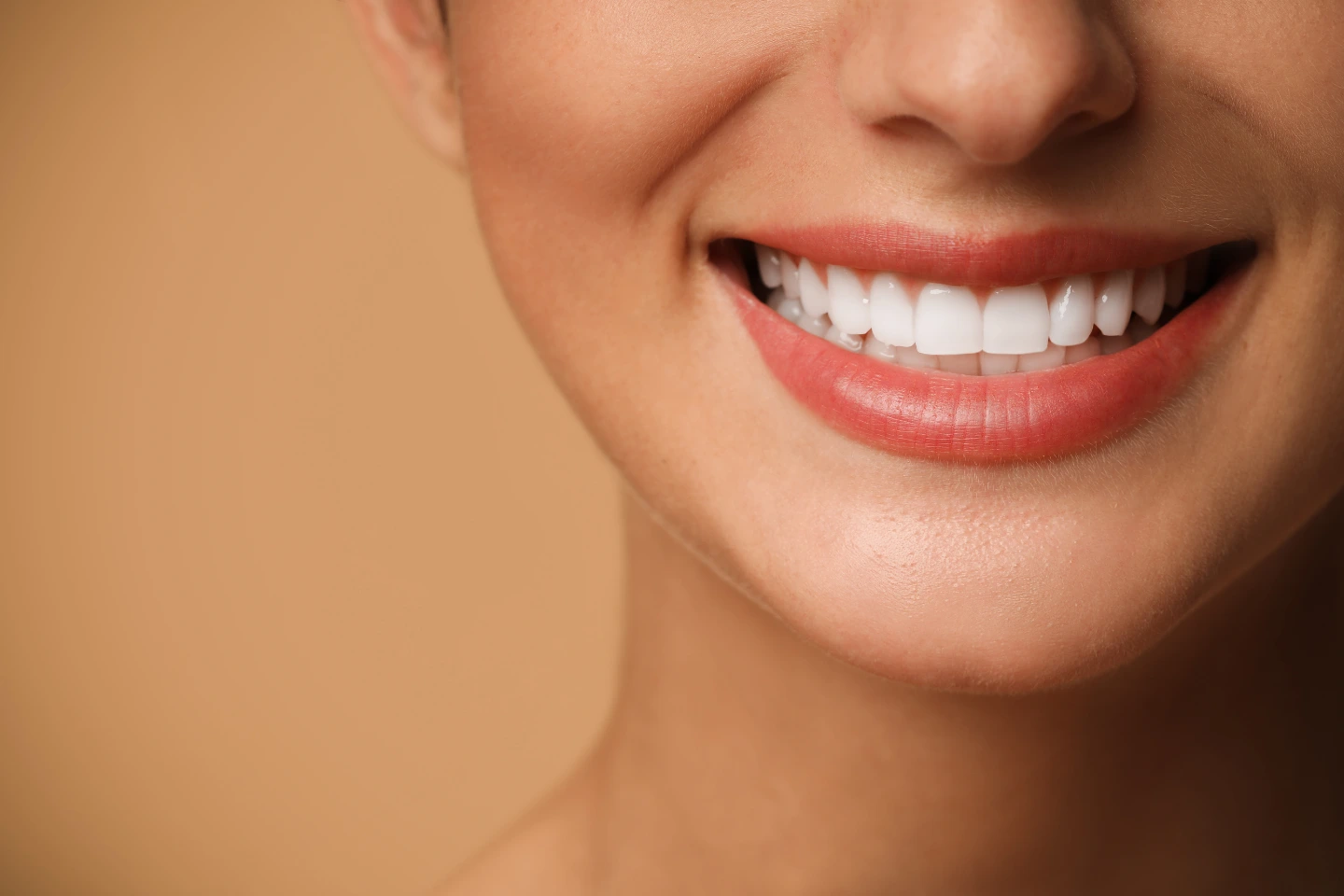
Chipped or gappy teeth can affect your confidence, your smile, and even how you speak. Fortunately, modern cosmetic dentistry offers effective solutions to restore both aesthetics and function.
Two of the most popular treatments are composite bonding and porcelain veneers. While both improve the appearance of chipped or gappy teeth, they differ significantly in cost, durability, treatment time, and long-term results.
This guide will help you clearly understand the differences and decide which option is best for your smile in Paulton.
Quick Answer – Bonding vs Veneers
If you’re deciding quickly:
- Choose composite bonding for small chips or minor gaps, especially if you want a fast and affordable solution.
- Choose veneers for larger cosmetic issues, long-term durability, and a complete smile transformation.
Composite Bonding vs Veneers – Key Differences
Composite Bonding
- Cost: More affordable
- Durability: Typically lasts 5–7 years
- Treatment Time: Completed in one visit
- Invasiveness: Minimal, no enamel removal
- Best For: Small chips and minor gaps
Porcelain Veneers
- Cost: Higher investment
- Durability: Lasts 10–15+ years
- Treatment Time: Requires 2 or more visits
- Invasiveness: Requires enamel removal
- Best For: Larger cosmetic concerns and smile makeovers
What Is Composite Bonding?
Composite bonding is a minimally invasive cosmetic treatment that uses tooth-coloured resin to repair chips, close small gaps, and reshape teeth.
The material is applied directly, sculpted, and hardened in a single visit.
Learn more about composite bonding treatment in Paulton.
When Composite Bonding Works Best
Bonding is particularly suitable when:
- A tooth has a small chip
- Gaps between teeth are narrow
- The enamel is slightly uneven
- Teeth need minor reshaping or contouring
- You want an instant, conservative cosmetic enhancement
When Composite Bonding Works Best
- Small chips or cracks
- Minor gaps between teeth
- Slightly uneven enamel
- Quick cosmetic improvements
Advantages of Composite Bonding
- Minimally invasive (little to no enamel removal)
- Completed in one visit
- Cost-effective solution
- Natural-looking results
- Reversible and adjustable
Limitations of Composite Bonding
- Can stain over time
- Less durable than veneers
- May need replacement after a few years
- Not ideal for major cosmetic issues
What Are Porcelain Veneers?
Porcelain veneers are thin, custom-made shells placed over the front of teeth to enhance shape, size, and colour.
They are created in a dental lab and bonded to the teeth for a long-lasting, highly aesthetic result.
When Veneers Work Best
- Larger or more visible chips
- Moderate gaps between teeth
- Deep discolouration
- Uneven or worn teeth
- Full smile transformations
Advantages of Veneers
- Long-lasting (10–15+ years)
- Highly natural appearance
- Stain-resistant
- Ideal for comprehensive smile makeovers
Limitations of Veneers
- Requires enamel removal
- Higher cost
- Irreversible treatment
- Requires multiple visits
Which Is Better for Chipped Teeth?
- Small chips → Composite bonding is usually sufficient
- Large or deep chips → Veneers provide stronger, longer-lasting results
Which Is Better for Gappy Teeth?
- Minor gaps → Bonding is quick and effective
- Moderate to large gaps → Veneers offer better aesthetics and durability
Cost of Composite Bonding vs Veneers in Paulton
- Composite bonding is generally more affordable upfront
- Veneers are a higher investment but last longer
The right choice depends on your budget and long-term goals.
Composite Bonding or Veneers – Which Should You Choose?
Choose Composite Bonding if:
- You want a quick, same-day solution
- Your cosmetic issues are minor
- You prefer a more affordable option
- You want a minimally invasive treatment
Choose Veneers if:
- You want long-lasting results
- You have multiple cosmetic concerns
- You’re looking for a full smile transformation
- You prioritise durability and aesthetics
When to Consider Emergency Dental Care
If your chipped tooth is causing pain, sensitivity, or sharp edges, you may need urgent treatment.
Visit our emergency dentist in Paulton for immediate care.
FAQs – Composite Bonding vs Veneers
Q. Is composite bonding better than veneers?
A. Bonding is better for small, quick fixes, while veneers are better for long-term and more complex cosmetic improvements.
Q. How long does composite bonding last?
A. Typically between 5–7 years, depending on care and habits.
Q. Are veneers permanent?
A. Yes, veneers are considered a permanent treatment because enamel is removed.
Q. Which is cheaper, bonding or veneers?
A. Composite bonding is more affordable upfront, while veneers are a higher investment.
Q. Can bonding fix gaps between teeth?
A. Yes, bonding is effective for closing small gaps.
Conclusion
Both composite bonding and porcelain veneers are excellent options for improving chipped or gappy teeth.
- Bonding is ideal for minor, quick, and cost-effective fixes
- Veneers are best for long-term, high-quality smile transformations
The best option depends on your individual needs, goals, and budget.
For personalised advice, book a consultation with Paulton Dental & Implant Centre and take the first step towards a confident smile.
Get in Touch
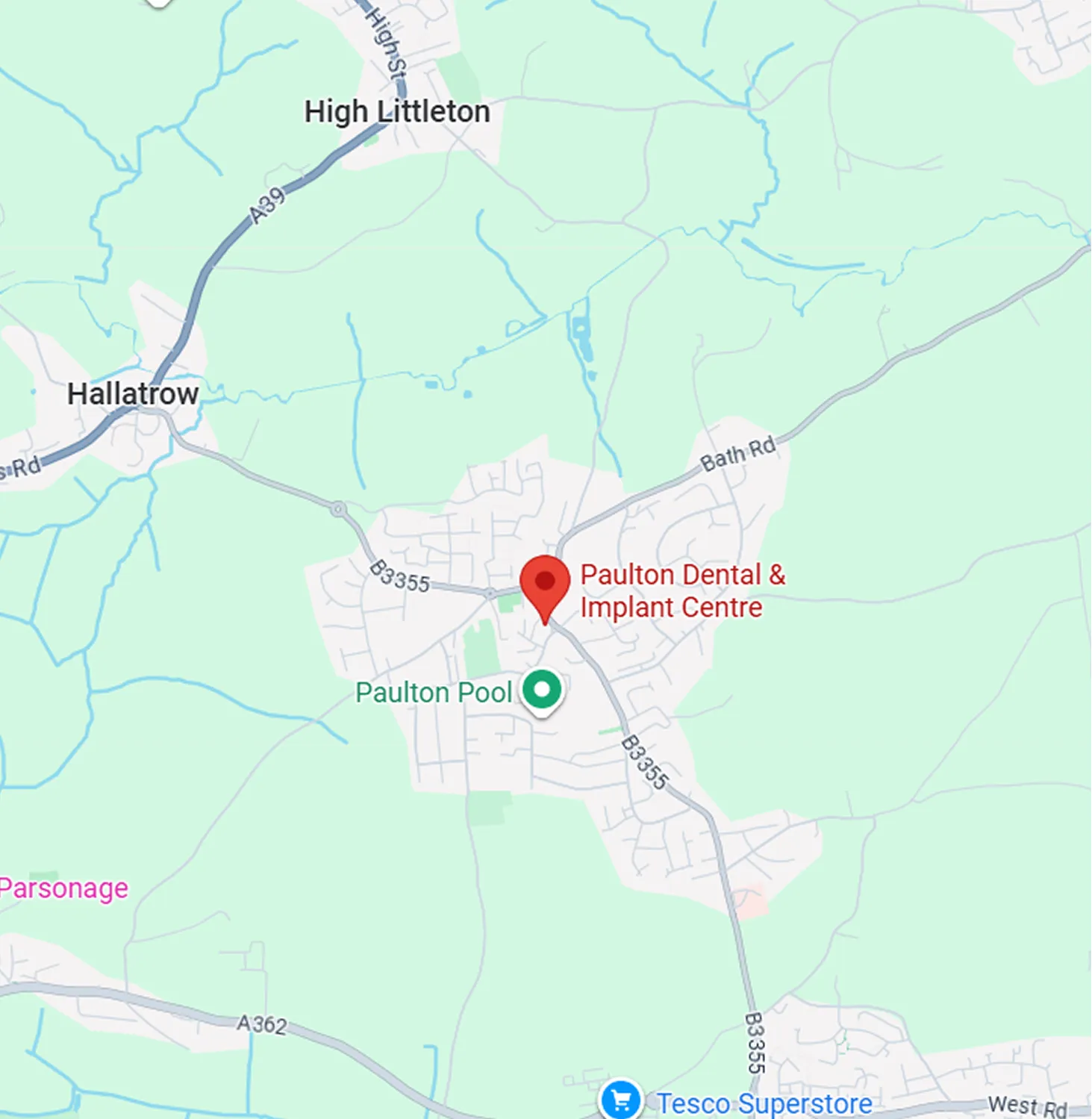
Let’s Create the Smile You Deserve.
Book your smile consultation today and take the first step towards a confident, healthy smile.