
.webp)

Bone Grafting and Dental Implants: When Is It Necessary?
Understand when bone grafting is needed and how it supports successful dental implants.
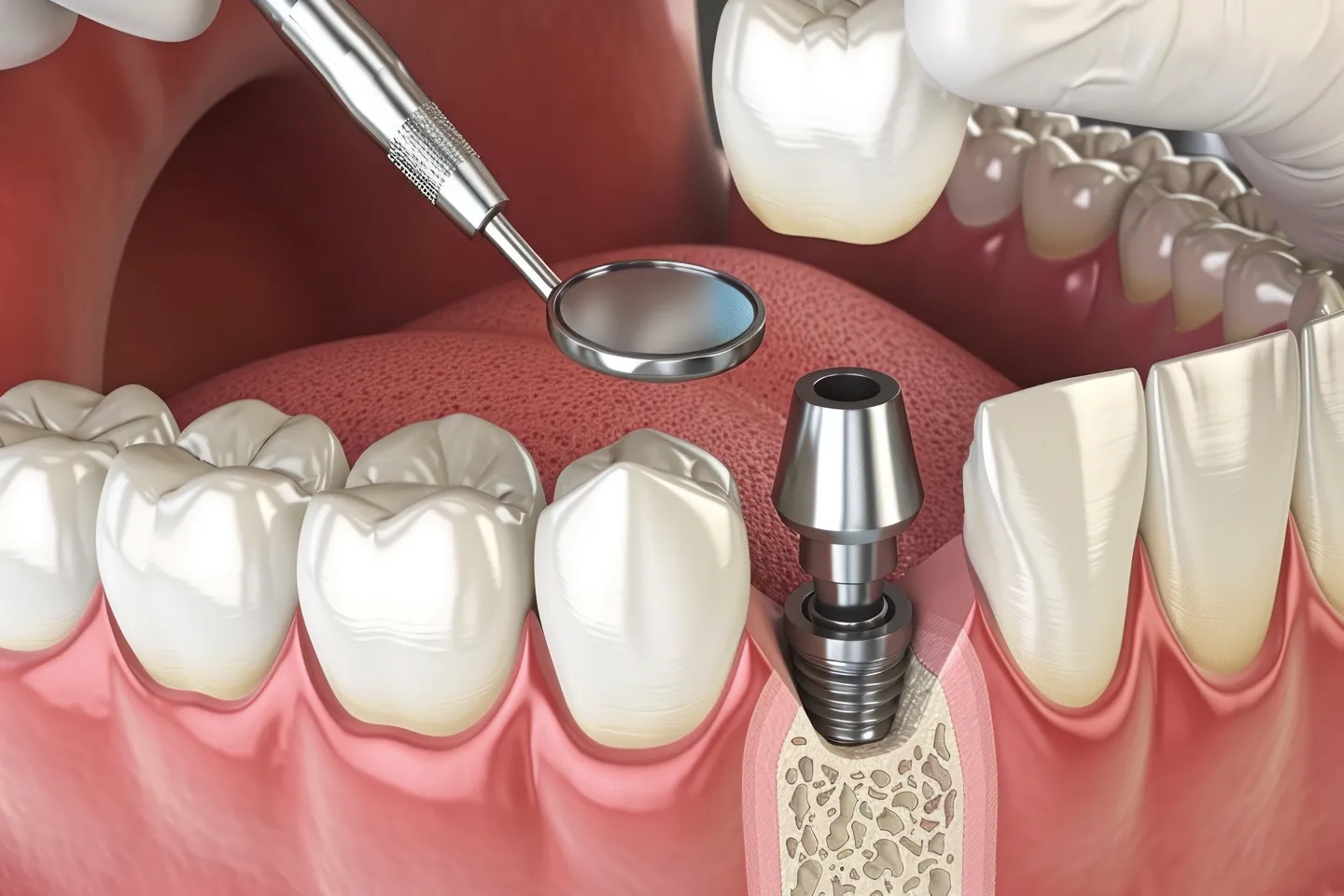
Dental implants Paulton are widely recognised as the most reliable and natural-looking solution for replacing missing teeth. They restore function, protect jawbone health, and bring back confidence in your smile. However, not every patient is immediately ready for implants. In some cases, a procedure called bone grafting is necessary to ensure the long-term success of dental implants.
At Paulton Dental, we often meet patients who are unsure about bone grafting and whether they need it. This guide will explain when bone grafting is required, why it’s important, and how it works alongside dental implant treatment.
Why Bone Health Matters for Dental Implants
For an implant to succeed, it needs a solid foundation. The implant post is surgically placed into the jawbone, where it fuses with the bone through a process known as osseointegration. If the jawbone is too thin or weak, the implant won’t have the stability it needs to support a crown, bridge, or denture.
This is where bone grafting comes in. By restoring or adding bone in the jaw, grafting ensures the implant has enough support to last for many years.
When Is Bone Grafting Necessary?
Not every implant patient needs bone grafting, but it is common in certain cases. Bone grafting may be required if you have:
- Bone Loss from Missing Teeth: When a tooth is lost, the surrounding bone begins to shrink because it’s no longer being stimulated by chewing forces. Within just a year, up to 25% of bone mass can be lost.
- Gum Disease (Periodontitis): Advanced gum disease damages the gums and the underlying bone, often leading to significant bone loss over time.
- Tooth Trauma or Infection: Past injuries or infections may have damaged the bone, leaving insufficient support for an implant.
- Developmental Conditions: In some cases, a patient may naturally have thinner bone structure in certain areas of the jaw.
If any of these apply, your dentist will recommend bone grafting before or during implant treatment.
Types of Bone Grafting for Dental Implants
Bone grafting isn’t a one-size-fits-all procedure. Depending on your needs, your dentist may suggest:
- Socket Preservation – Done immediately after tooth extraction to maintain bone volume.
- Ridge Augmentation – Restores bone width or height where significant loss has occurred.
- Sinus Lift – Adds bone to the upper jaw beneath the sinuses when there isn’t enough height for implants.
- Block Grafts – Uses a larger section of bone, often from another part of your body, for severe bone loss.
At Paulton Dental, we’ll assess your bone health with advanced imaging and recommend the best grafting approach for your situation.
What to Expect During a Bone Grafting Procedure
Bone grafting may sound intimidating, but modern dentistry makes it a straightforward and comfortable procedure. Here’s what typically happens:
1. Assessment & Planning – Digital scans are used to evaluate bone quality and plan the graft.
2. Placement of Graft Material – Bone material (from your body, a donor, or synthetic) is placed in the deficient area.
3. Healing Period – Over the next 3–6 months, your body naturally integrates the graft, building strong, healthy bone.
4. Implant Placement – Once the graft has healed, your implant can be securely placed. In some cases, grafting and implant placement can be done in the same appointment.
Does Bone Grafting Hurt?
One of the biggest concerns patients have is whether bone grafting is painful. The reality is that with local anaesthetic and, if needed, sedation, the procedure is surprisingly comfortable. Most patients report only mild soreness afterward, which can be managed with over-the-counter pain relief.
Benefits of Bone Grafting Before Implants
Though bone grafting adds an extra step to the implant process, it provides significant long-term benefits:
- Stronger foundation for implants
- Improved facial structure (preventing a sunken look caused by bone loss)
- Higher implant success rate
- Better long-term oral health
Think of bone grafting as an investment in the strength and stability of your new smile.
How to Know If You Need Bone Grafting
The only way to know for certain whether you need bone grafting is through a professional consultation. At Paulton Dental, we use advanced digital imaging to assess your bone quality and volume. Based on your results, we’ll create a personalized treatment plan tailored to your needs.
Dental Implants with Paulton Dental: A Complete Solution
Whether or not bone grafting is required, you deserve the best care for your implant journey. At Paulton Dental, our patients choose us because:
- We combine advanced dental technology with years of expertise in implant dentistry.
- We provide honest advice and explain every step of the process.
- We prioritise patient comfort, making treatments stress-free and supportive.
Don’t Let Bone Loss Hold You Back
Missing teeth can affect more than just your smile—they impact your confidence, your ability to eat, and your long-term oral health. Even if you’ve experienced bone loss, solutions like grafting make it possible to enjoy the benefits of dental implants.
At Paulton Dental, we’re here to restore not only your teeth but also your confidence in your smile.
Book your consultation today at Paulton Dental and take the first step toward strong, lasting dental implants.
Get in Touch
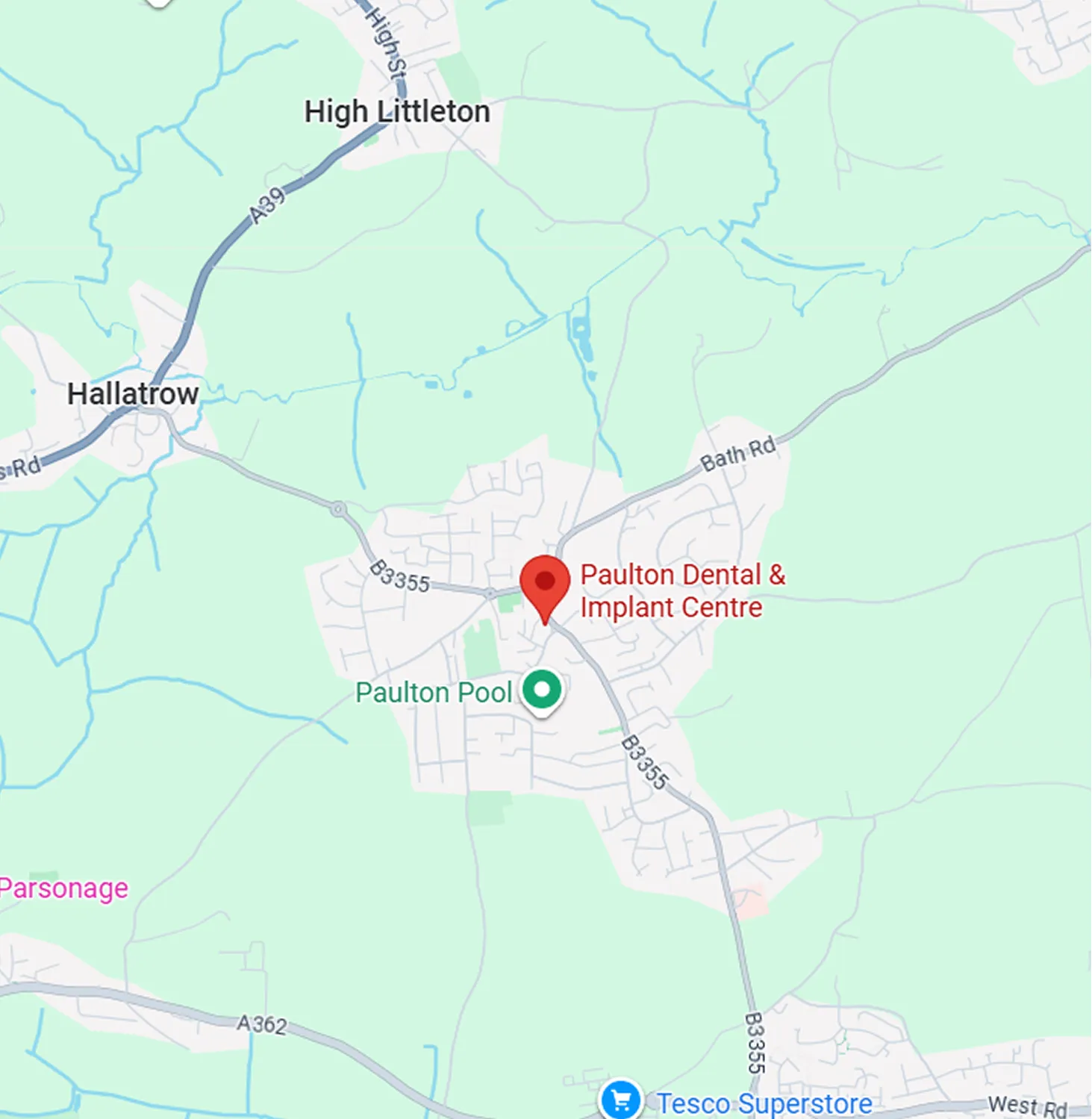
Let’s Create the Smile You Deserve.
Book your smile consultation today and take the first step towards a confident, healthy smile.